
ADAS calibration in Boise, ID
Modern safety systems depend on cameras and sensors that have to stay aligned. Here's what ADAS is, and when a calibration may be worth asking about.
What is ADAS?
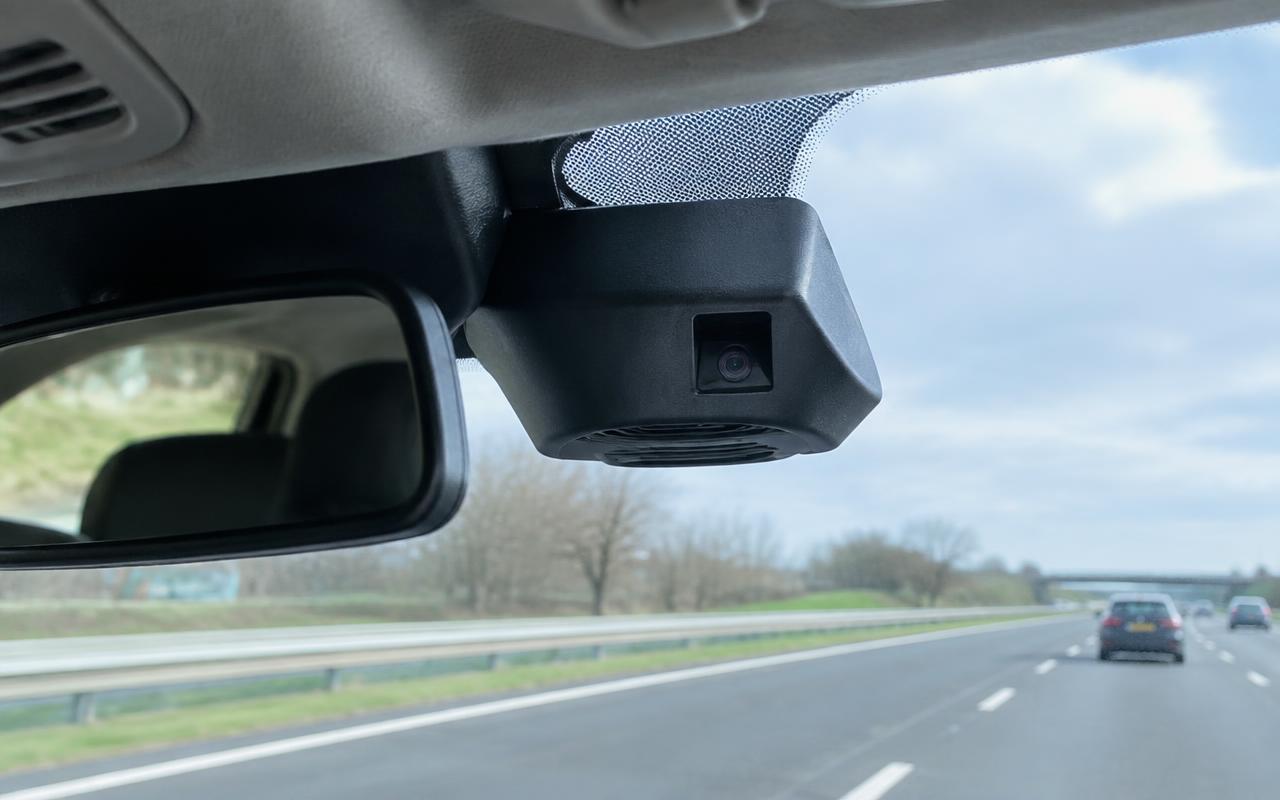
ADAS (Advanced Driver Assistance Systems) is a safety feature that relies on various sensors — cameras, radar or ultrasonic units — to let the vehicle “see” what is happening around it. Many of those sensors sit behind the windshield, which is why glass work and safety-system accuracy are linked.
Why calibration matters
The accuracy of ADAS is critical to the safety of the vehicle operator. A calibration realigns the measurements that ADAS relies on to alert the operator of a potential hazard. If a sensor is slightly out of alignment, a warning can arrive late, fire at the wrong moment, or not fire at all.
ADAS features commonly involved
- Lane Departure Warning
- Blind Spot Detection
- Rear Collision Warning
- Lane Keep Assist
- Active Brake Assist
- Park Assist
- Forward Collision Avoidance
When a system may need calibration
- Windshield replacement
- Collision repairs
- Wheel alignment
- A change in tire size
- Repairs to a vehicle roof that has a sensor bracket mounted
Not every job on this list means a calibration is required. It depends on the vehicle, which systems it has, and where its sensors are mounted — so it is worth asking directly before work is scheduled.
Types of calibration
Dynamic
The vehicle is driven, usually on a road with clear lane markings, while the system reads real-world conditions and adjusts itself.
Static
The vehicle stays stationary while targets or calibration panels are positioned in front of the sensors, so the system can be aligned against a known reference.
Dual
A combination of both, where the procedure calls for it. Which type your vehicle needs is set by the manufacturer’s procedure, not by preference — and some vehicles require both steps in sequence.
How calibration fits with a windshield replacement
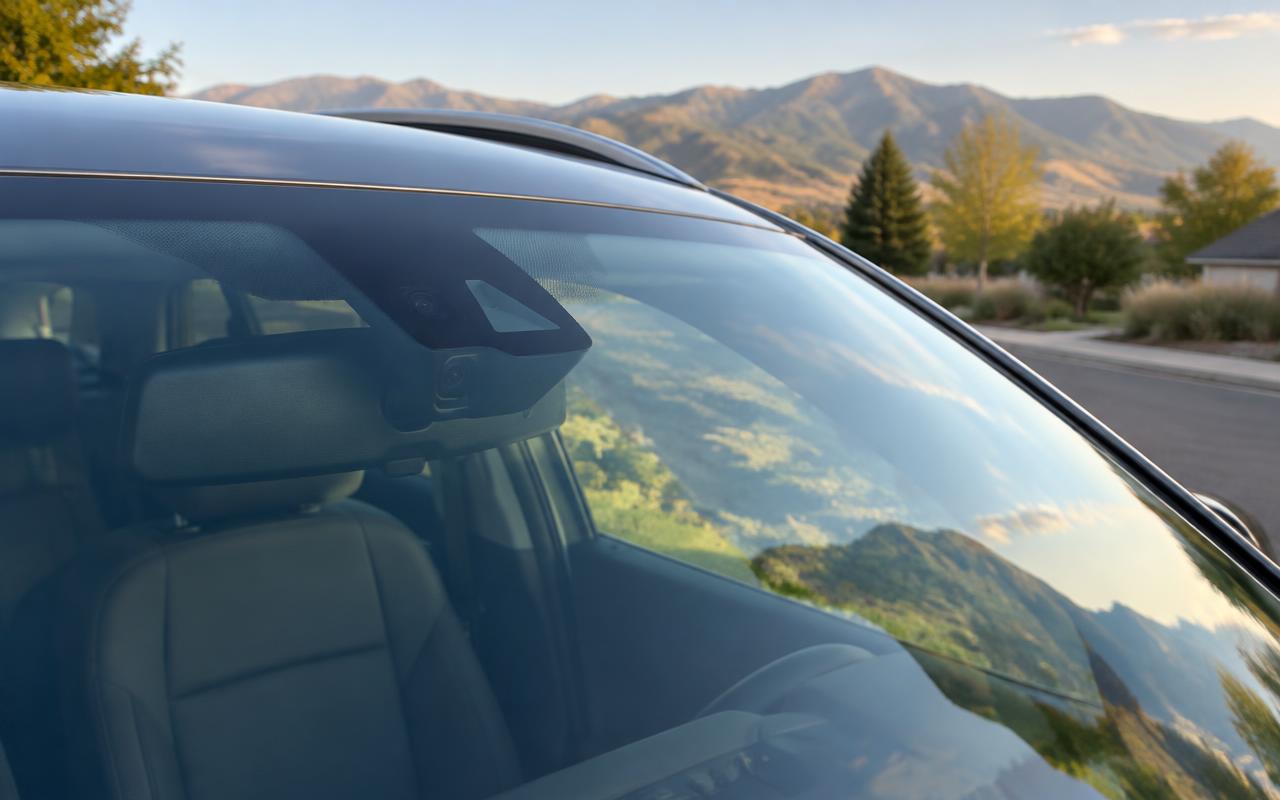
A forward-facing camera is often mounted to the inside of the windshield, behind the rearview mirror. Removing the glass means removing and refitting that camera, and even a correct refit changes its position by a small amount. That is why calibration is worth discussing as part of a windshield replacement, rather than left as an afterthought.
What helps when you call
- Vehicle year, make and model
- Whether a warning light or dashboard message has appeared
- What work the vehicle has recently had — glass, body, alignment or tires
- Whether the vehicle has a camera or sensor mounted to the windshield
What happens after you request service
You’ll be contacted by the method you choose to discuss the vehicle and what it has had done recently. Sending a request or calling does not by itself confirm an appointment, a price, or whether your vehicle needs a calibration — that is decided with you once the vehicle and its systems are known.
What happens when you get in touch
- 1
Call or send your details
Tell us your vehicle's year, make and model and what happened to the glass. A rough description is fine.
- 2
Get your questions answered
Talk through whether a repair or a replacement makes sense, and ask anything you're unsure about.
- 3
Arrange a time that suits you
Nothing is booked until you agree to it. You decide if and when to go ahead.
Ready to have your glass looked at?
A quick call is usually the easiest way to find out what your glass needs. Have your vehicle details handy, or send them online and you'll be contacted by your preferred method.